


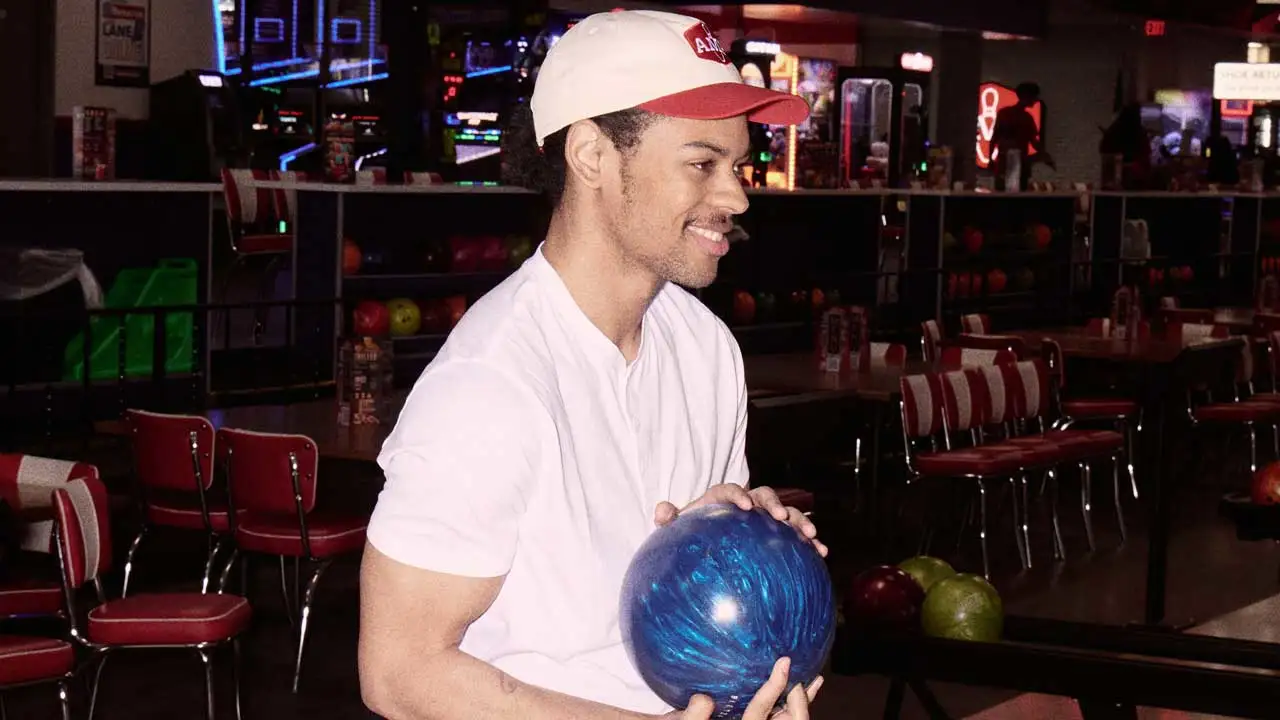
Every parent knows the moment. Your kid steps up to the lane, lines up the shot, and sends the ball rolling with every ounce of concentration they have. The pins crash down. The celebration that follows is pure, unfiltered joy. Jumping, yelling, running back for a high-five with the whole family. It turns out that feeling is not just excitement. Why bowling feels so good has a real scientific explanation, rooted in the way the brain processes physical activity, anticipation, social bonding, and sensory-rich environments. A single trip to the lanes triggers a neurochemical response that most family activities simply cannot replicate.
The anticipation reward: how dopamine makes every frame exciting
Dopamine is the brain chemical most associated with motivation and reward. It surges not when something good happens but in the moments just before, when the brain is predicting an outcome. In bowling, that moment is the space between the release and the impact. The ball is rolling, the brain is calculating, and the result is uncertain. When the pins fall the way you hoped, the dopamine payoff is significant. When they do not, the brain pushes you to adjust and try again on the next frame.
This prediction-and-reward cycle is what makes bowling naturally engaging for all ages. Kids experience it just as powerfully as adults. The thrill of watching their ball roll down the lane, even with bumpers guiding it, produces the same neurochemical response. That is why children ask to bowl "one more game" long after the original plan was finished. Their brains are riding a dopamine loop that the game renews every single frame. It is built-in motivation that requires no parenting tricks to sustain.
The hidden workout: endorphins from every throw
Bowling does not look like exercise, and that is part of its charm. But a bowling ball weighs between six and sixteen pounds depending on the player. Picking it up, approaching the lane, swinging through a coordinated motion, and releasing with control is a genuine physical effort. Over the course of two games, every member of the family has performed dozens of repetitions involving their core, legs, arms, and shoulders. The body responds to that activity by releasing endorphins, the natural chemicals that reduce stress and improve mood.
The effect is especially noticeable in kids who have been cooped up indoors. The physical engagement of bowling burns energy in a structured, satisfying way that leaves them tired in the good sense. For adults, the repetitive rhythm of the approach has a meditative quality. Lift, step, swing, release. It is calming and centering in a way that more chaotic activities are not. Add in some comfort food from the AMF menu and the whole family ends the evening feeling better than when they walked in.
The bonding chemical: oxytocin and why bowling brings families closer
Oxytocin is the brain's connection chemical. It releases during physical affection, shared laughter, and collective emotional experiences. Bowling generates all three in abundance. The high-fives after every good frame. The group laughter when Dad throws a gutter ball on his first attempt. The shared suspense when the youngest member of the family lines up for a potential spare. Each of these moments triggers a small oxytocin release that strengthens the emotional bonds between the people sharing them.
This is why bowling is a staple for Kids Parties and family celebrations. The game creates a steady rhythm of shared micro-events that keep everyone emotionally engaged with each other. Unlike a movie, where the family sits in silence, or a restaurant, where kids get restless, bowling gives everyone something to participate in, react to, and celebrate together. That pattern of shared emotional responses is the building block of strong family bonds, and the lanes provide it naturally.
The feel-good atmosphere: serotonin and sensory richness
Serotonin is the neurotransmitter most associated with overall well-being and contentment. It responds to environments that engage multiple senses in a positive, balanced way. A bowling center is exactly that kind of environment. The sound of pins crashing, music playing, and families cheering creates a rich audio landscape. The visual rhythm of balls rolling, pins resetting, and scores updating keeps the eyes engaged. The social warmth of being surrounded by other families having a good time contributes an ambient positivity.
At AMF, the experience is built to feel welcoming and energizing at the same time. It is not overwhelming, just rich enough to keep the brain happily stimulated for a full evening. That sustained, gentle engagement is what makes bowling outings feel restorative rather than draining. Families leave feeling connected, content, and already planning the next visit. The brain got exactly what it needed, and it wants to come back.
Give the whole family the feel-good night they deserve
The science is simple: bowling makes your brain happy. The anticipation, the movement, the togetherness, and the atmosphere all work together to create a neurochemical experience that leaves the whole family feeling great. No screens required. Check the latest specials, find an AMF near you, and plan the kind of outing everyone will be talking about all week.